Free shipping for all orders over $120

What causes PMS and how can supplements help?
If you've ever found yourself crying at a dog food commercial, snapping at someone you love, or curled up with a heat pack the week before your period, you are very much not alone. Premenstrual syndrome (PMS) affects up to 75% of people with a menstrual cycle, and for many New Zealand women, it's a monthly reality that disrupts work, relationships and wellbeing.
Understanding what's behind your symptoms is the first step toward doing something about it, and natural PMS supplements are increasingly part of that picture.
What Exactly Is PMS?
PMS is a collection of physical and emotional symptoms that typically appear in the luteal phase of the menstrual cycle, the 1–2 weeks between ovulation and the start of your period. Once your period arrives, symptoms usually ease within a day or two. Recognising the pattern is empowering.
Common PMS Symptoms:
😣 Cramping and tension: Abdominal cramps, lower back ache, muscle tightness
💭 Mood changes: Irritability, anxiety, low mood, tearfulness
🌊 Bloating and breast sensitivity: Fluid retention, tenderness, puffiness
🥴 Nausea and headaches: Queasy stomach, light-headedness, hormonal headaches
😴 Fatigue: Exhaustion, difficulty concentrating, low energy
🍫 Cravings: Intense hunger, sweet or carbohydrate cravings
What Causes PMS?
PMS doesn't have a single, simple cause. It's a hormonal and biochemical picture that's unique to each person. Here's what the science tells us:
- Hormonal fluctuations
The primary driver of PMS is the natural rise and fall of oestrogen and progesterone across your cycle. After ovulation, both hormones peak and then drop sharply before your period. This hormonal shift affects the brain, particularly serotonin, your feel-good neurotransmitter, which is why mood changes are so common. - Prostaglandins and cramping
As your period approaches, the uterine lining releases prostaglandins, hormone-like compounds that trigger muscle contractions to help shed the lining. Higher prostaglandin levels are associated with more intense cramping, nausea and lower back pain. - Nutrient deficiencies
Research increasingly points to magnesium, vitamin B6, and calcium as key players in PMS symptoms. Many New Zealand women don't get optimal amounts of these nutrients through diet alone, and their absence can amplify hormonal sensitivity, muscle tension, and mood disruptions. - Stress and lifestyle factors
High stress, poor sleep, a diet high in refined sugar, alcohol and caffeine can all worsen PMS. Life is busy. Juggling work, whānau, and everything in between, and chronic stress further depletes the nutrients your body needs to cope with hormonal change. - Individual Sensitivity
Some people are simply more sensitive to hormonal fluctuations than others, this is thought to be related to how the brain responds to progesterone metabolites. It doesn't mean something is "wrong" with you; it means your body may benefit from extra targeted support.
💡 Did you know? Studies suggest that women with PMS tend to have lower magnesium levels than those without symptoms. Magnesium plays a role in over 300 biochemical reactions in the body, including those that regulate muscle function and mood.
How can supplements help with PMS?
Natural PMS supplements work by addressing the underlying biochemical gaps that make symptoms worse. Rather than masking symptoms, the right supplement supports your body's own processes, so you can move through your cycle with more ease.
Here are the key nutrients with the strongest evidence for PMS relief natural support:
🧲 Magnesium
One of the most studied nutrients for PMS, magnesium helps relax smooth muscle (reducing cramping), supports serotonin production (improving mood), and eases water retention and bloating. Several clinical trials have shown magnesium supplementation can significantly reduce PMS symptom severity over 2–3 cycles.
🅱️ Vitamin B6 (Pyridoxine)
Vitamin B6 is essential for the synthesis of serotonin and dopamine, both of which dip with progesterone shifts. Supplementing with bioavailable B6 has been shown to help reduce mood-related PMS symptoms including irritability, anxiety, and emotional sensitivity. It also supports energy metabolism and reduces fatigue.
🫚 Ginger Extract
Ginger, particularly concentrated gingerol extracts, has well-documented anti-inflammatory and antispasmodic properties. It's widely studied for its ability to reduce nausea, ease cramping, and calm the digestive discomfort that often comes with PMS. Its natural anti-inflammatory action also targets prostaglandin activity, addressing the root cause of cramping.
⚡ Electrolytes
Hormonal fluctuations affect fluid balance. Gentle electrolytes, including sodium, potassium, and magnesium, help counteract the bloating, headaches and fatigue that come with premenstrual fluid retention. Staying well-hydrated and mineralised during the luteal phase can make a real difference to how you feel.
A note on "natural" supplements: Natural doesn't mean unscientific. The most effective PMS supplements NZ women can access are those formulated with clinically studied, bioavailable ingredients, not just any off-the-shelf multivitamin. Always look for formulations developed with nutritionists and backed by research.
How long before you see results?
Most people begin to notice a difference after 2–3 full menstrual cycles of consistent supplementation. This is because many of these nutrients work cumulatively, replenishing depleted stores and gradually rebalancing your body's response to hormonal fluctuations. Starting your supplement routine a week before your symptoms typically begin can also make a measurable difference.
Tips for managing PMS naturally
Supplements work best as part of a broader self-care approach. Here are a few complementary strategies:
- Track your cycle. Knowing when your luteal phase begins helps you prepare. Start supplements and prioritise rest before symptoms peak.
- Reduce inflammatory foods. In the lead-up to your period, cut back on alcohol, caffeine, refined sugar and highly processed foods, which can worsen inflammation and hormonal sensitivity.
- Move gently. Light exercise like walking, swimming or yoga can reduce cramping and improve mood through endorphin release.
- Prioritise sleep. Poor sleep amplifies every PMS symptom. Wind down earlier in your luteal phase.
- Stay hydrated. Drinking plenty of water, especially electrolyte-balanced water, helps manage bloating and headaches.
When to See a Doctor
If your PMS symptoms are severe enough to significantly impact your daily life, relationships or mental health, it's worth speaking to your GP. Severe PMS can sometimes indicate a condition called PMDD (Premenstrual Dysphoric Disorder), which may benefit from additional medical support alongside lifestyle and supplement strategies.
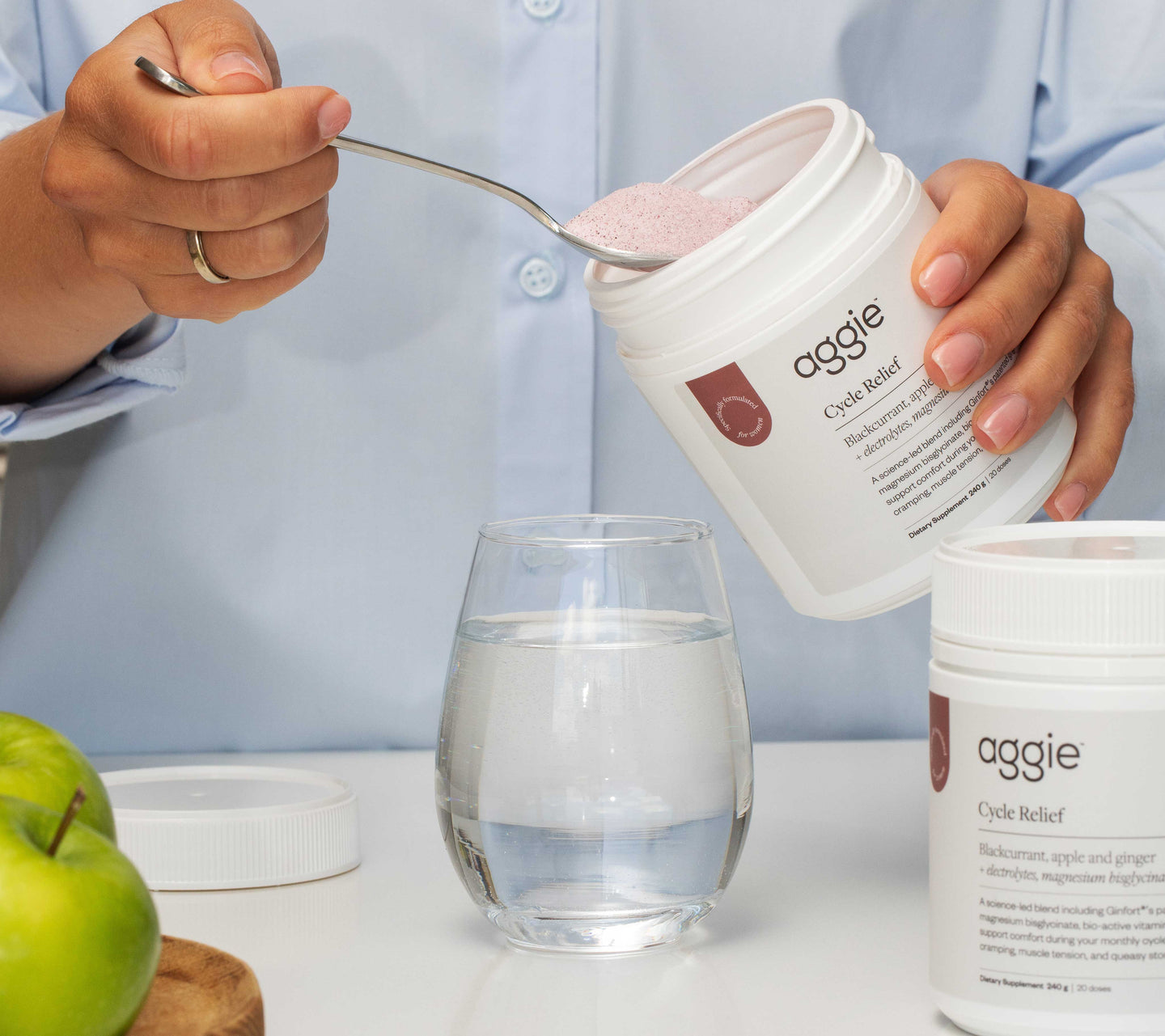
Aggie's Cycle Relief is thoughtfully formulated with scientifically informed nutrients, including magnesium, vitamin B6, and ginger extract, to support comfort throughout your monthly cycle. Developed by PhD Nutritionists, made in New Zealand.
Frequently Asked Questions
What are the best PMS supplements available in New Zealand?
The most evidence-backed PMS supplements include magnesium, vitamin B6, and ginger extract. Aggie's Cycle Relief combines all of these in a single formulation, developed by PhD Nutritionists and made in New Zealand.
How quickly do natural PMS supplements work?
Most women notice meaningful improvement after 2–3 menstrual cycles of consistent use. Nutrients like magnesium work cumulatively as your body replenishes stores over time.
Is PMS relief natural and safe?
Yes. Nutrients like magnesium, vitamin B6, and ginger have strong safety profiles and are well-tolerated by most people. Always choose supplements formulated by qualified nutritionists, and consult your GP if you have underlying health conditions or take medication.
Why does PMS feel worse some months than others?
Stress, sleep deprivation, diet quality, and hydration levels all affect how intensely you experience PMS. High-stress periods, poor sleep, and inflammatory foods tend to amplify symptoms.
Can I take PMS supplements alongside other medications?
In most cases, yes, but always check with your doctor or pharmacist if you're on prescription medication, particularly for thyroid, blood pressure, or mental health conditions.
Disclaimer: The information in this article is for educational purposes only and is not intended to replace professional medical advice, diagnosis, or treatment. Always consult your doctor or a qualified health professional before starting any new supplement, particularly if you are pregnant, breastfeeding, or taking medication. Individual results may vary. Aggie's products are not intended to diagnose, treat, cure, or prevent any disease or medical condition.